

How to Do a Handfasting Ceremony
Handfasting is a timeless wedding ritual full of symbolism and connection. If you’re considering adding it to your wedding or elopement, you may be wondering: how does it actually work? The beauty of handfasting is that it’s incredibly flexible—you can make it as simple or as elaborate as you’d like. Here’s a step-by-step guide to planning and performing a handfasting ceremony.
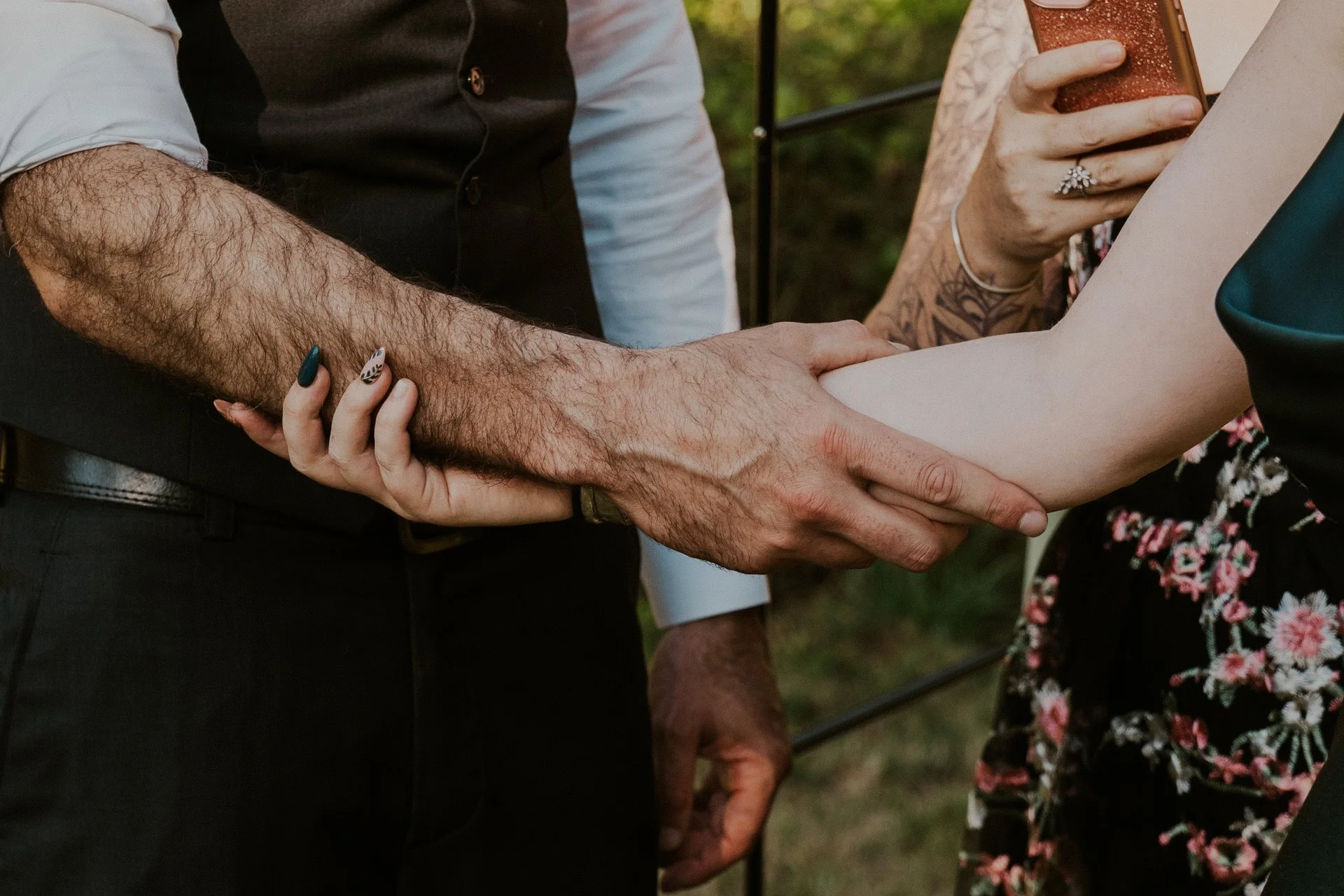
1. Choose Who Will Lead the Handfasting
Traditionally, an officiant or celebrant leads the handfasting ritual, but you don’t have to stick to tradition. Some couples ask a parent, close friend, or sibling to tie the knot as a way of including them in the ceremony. Whoever you choose, make sure they’re comfortable with the role and can guide you through the moment with confidence.
2. Select Your Cords or Ribbons
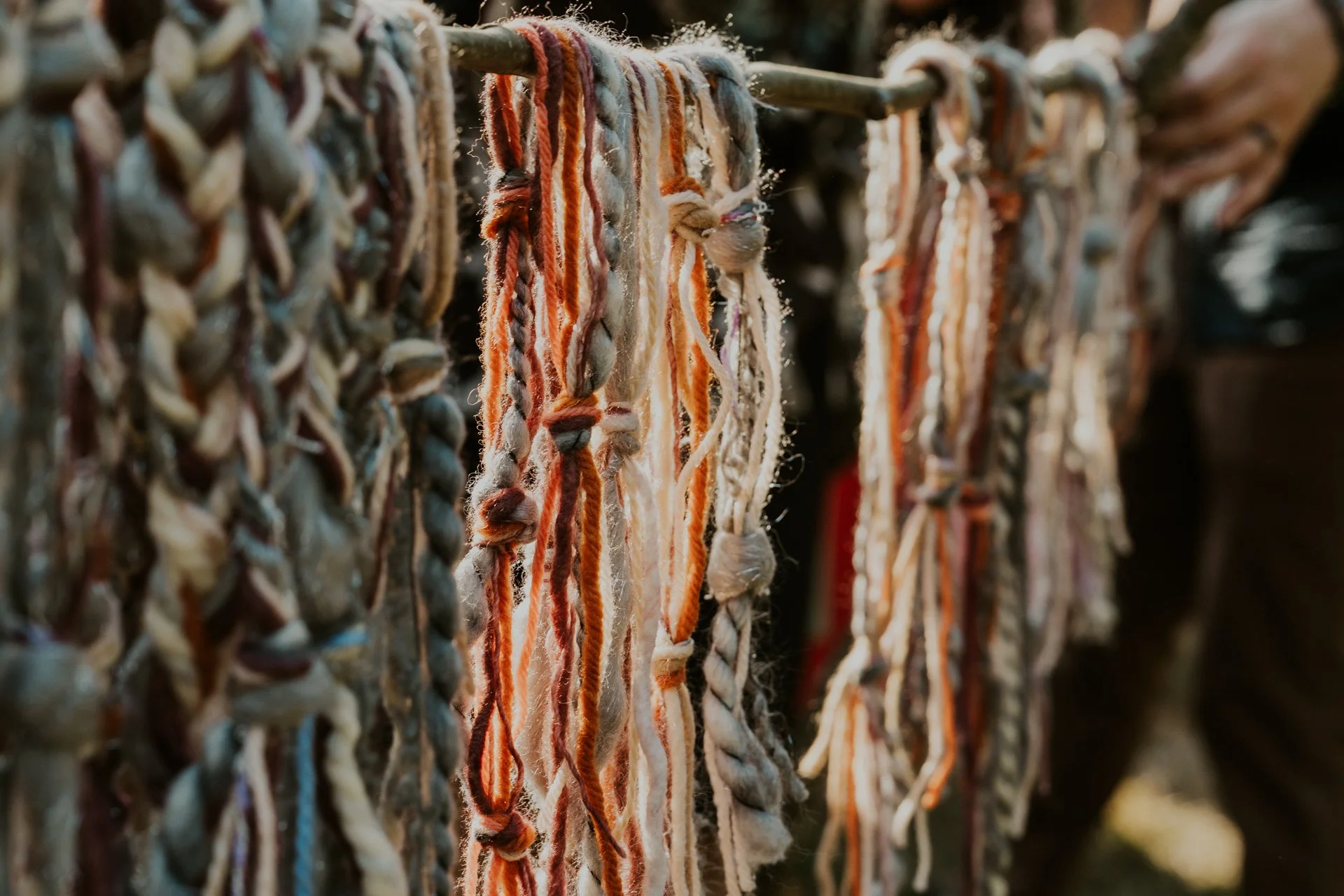
The cords (or ribbons, fabric strips, even ropes) are at the heart of the ritual. You can keep it simple or get creative:
Wedding colors – Match your cords to your color palette.
Symbolic materials – Use heirloom fabric, lace from a family dress, or hand-woven ribbon.
Meaningful colors – Each color can symbolize something different (red for passion, green for growth, gold for prosperity, etc.).
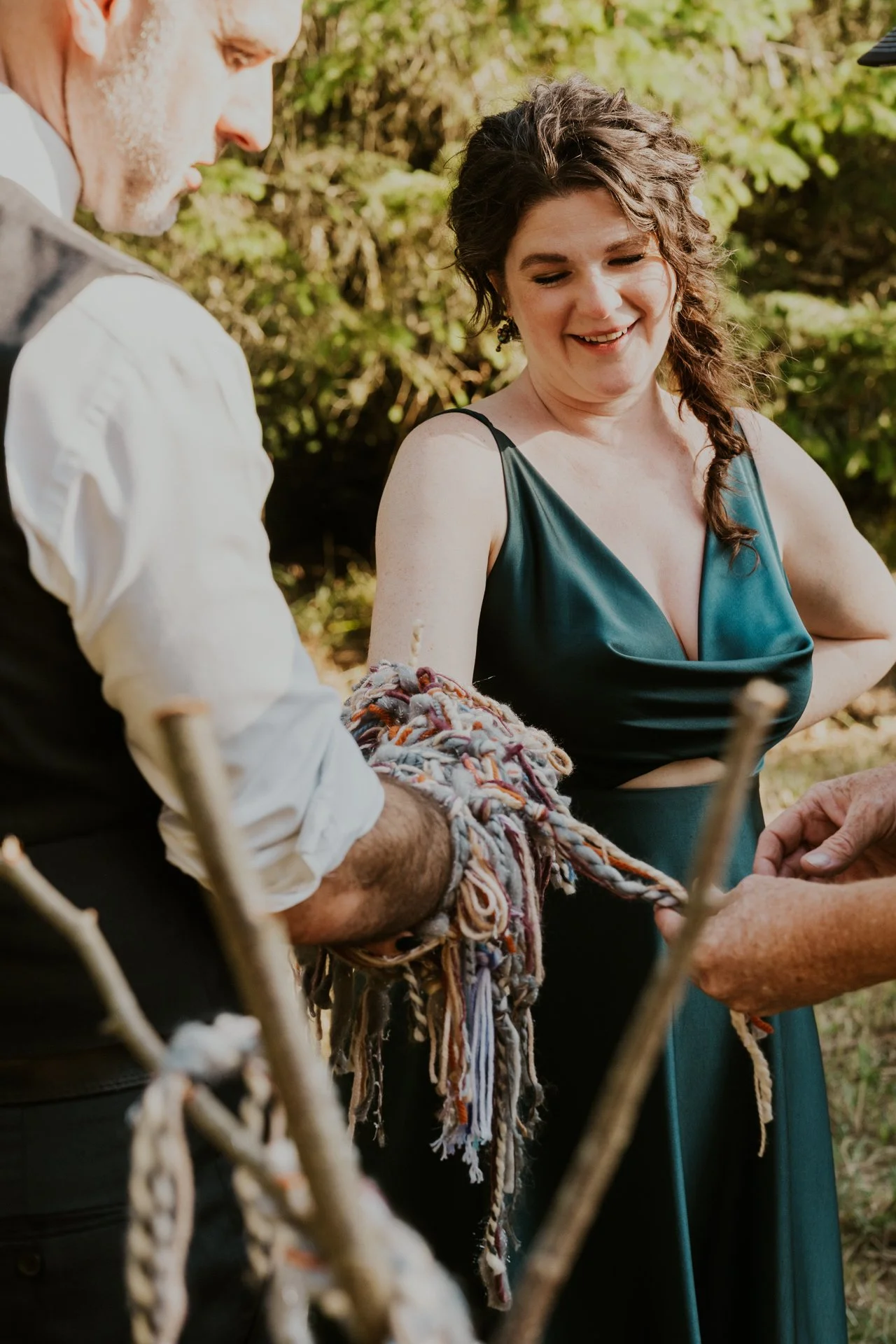
Multiple Cords - Some couples want to involve friends and family members in their ceremony. You can use multiple cords and have each person participate in wrapping or tying them around your hands with you and your partner.
Pro tip: you’ll want cords that are about 4–6 feet long so they’re easy to wrap and tie.
3. Decide How You’ll Stand and Hold Hands
There are two common ways to join hands:
One hand each (right hand to right hand) – a simple and traditional choice.
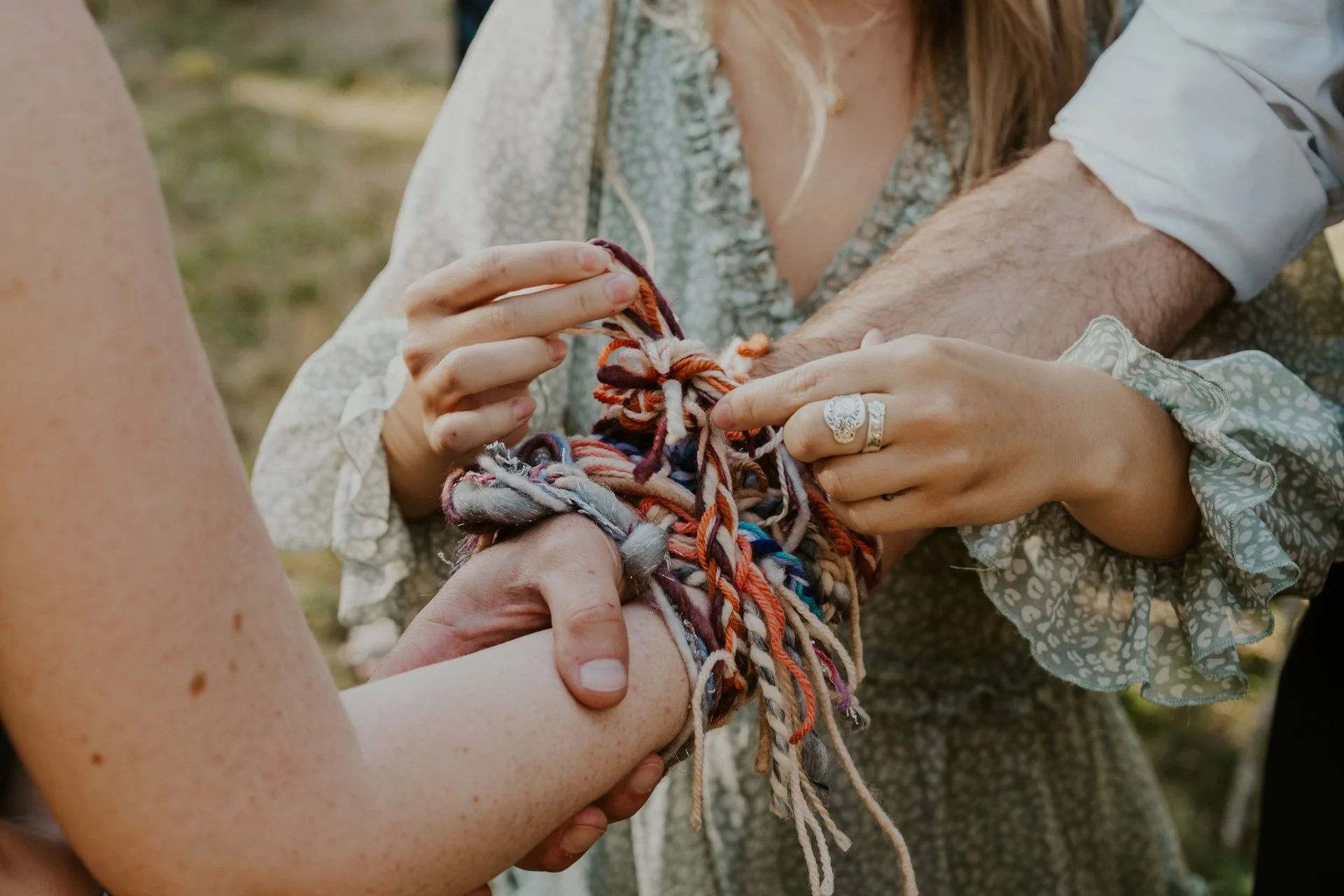
Both hands (facing each other, holding both hands together) – creates a fuller, more dramatic bind. You will need assistance in the wrapping and knotting process though - so plan for that!
Choose whichever feels natural and comfortable for you.
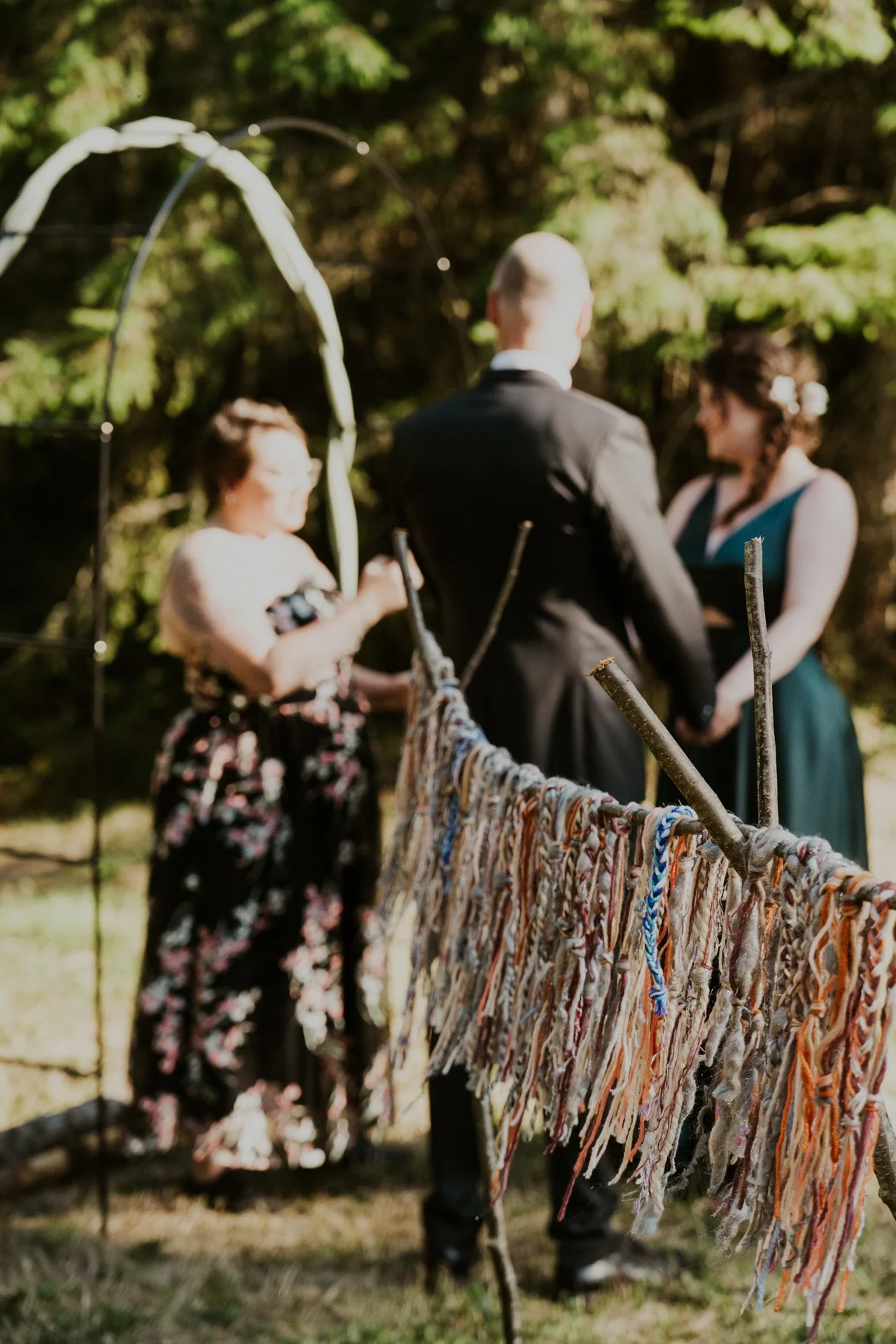
4. Add Vows or Words
The wrapping of the hands can be paired with vows or symbolic words. You could:
Read from ancient Celtic blessings.
Write your own vows and say them while your hands are being bound.
Have your officiant say words like: “These cords symbolize the promises you are weaving together today.”
This is a great way to personalize the ritual so it reflects your love story.
5. Tie the Knot
Once your hands are bound, the cords are often tied into a knot—literally symbolizing your union. Some couples keep the knot tied and slip it off to save as a keepsake. Others let the cords fall away after vows, symbolizing freedom and choice in their commitment.
You can also chose to have important family members and friends be involved in wrapping and tying the knot. It is a wonderful way to involve the most important people in your lives into this beautiful tradition.
6. Decide Where in the Ceremony It Fits
Handfasting can stand on its own as the central ritual, or it can be woven into a larger ceremony. Many couples do it:
Before exchanging rings – to symbolize being bound before sealing the promise.
After vows – as a physical act of “tying the knot.”
During elopements – as the main ritual in a more intimate setting.
What ever you chose, having a handfasting ceremony is a beautiful and symbolic ceremony to have at your wedding.
7. Practice Ahead of Time
Handfasting is simple, but it’s worth practicing so your officiant (or whoever is tying the cords) feels confident. This also helps avoid tangles and ensures the moment flows smoothly during the ceremony. Handfasting is also dependent on how many cords you are using and how many people you may be involving in the ceremony. A handfasting can be as fast as a few minutes or as long as 45 minutes depending on how many people are involved.
Why Couples Love It
Handfasting is more than just a tradition—it’s an interactive, visual, and symbolic ritual that creates powerful memories. It’s a chance to slow down during the ceremony, feel grounded, and literally hold on to one another as you begin your marriage. It is also a great option for couples that are not having a religious ceremony but still want a spiritual experience rooted in tradition.
Thinking about adding handfasting into your wedding or elopement? As a photographer, I love capturing these intentional rituals and making sure those meaningful details are documented beautifully. Reach out to start planning your day.
