

What is a Handfasting Ceremony?
Weddings are full of beautiful traditions, but one of the most meaningful rituals that couples are rediscovering is the handfasting ceremony. Rooted in ancient Celtic tradition, handfasting is a symbolic ritual where a couple’s hands are bound together with ribbon, cord, or fabric to represent their union. It’s intimate, personal, and timeless—perfect for couples who want something deeper than the expected.
A Brief History of Handfasting
Handfasting dates back to ancient Celtic and Pagan cultures in Ireland and Scotland, where it was originally used as a form of engagement or trial marriage. Couples would have their hands bound together to signify their commitment, often for “a year and a day.” After that time, they could choose to formalize the marriage or part ways.
Over time, handfasting became recognized as a wedding ritual itself. It was especially popular in rural areas where priests or officials weren’t always available—making it a practical and symbolic way for couples to declare their union in front of their community.
Fun fact: this is actually where we get the phrase “tying the knot”! The cords or ribbons literally tied around the couple’s hands became a powerful metaphor for binding two lives together.
What Happens in a Handfasting Ceremony?
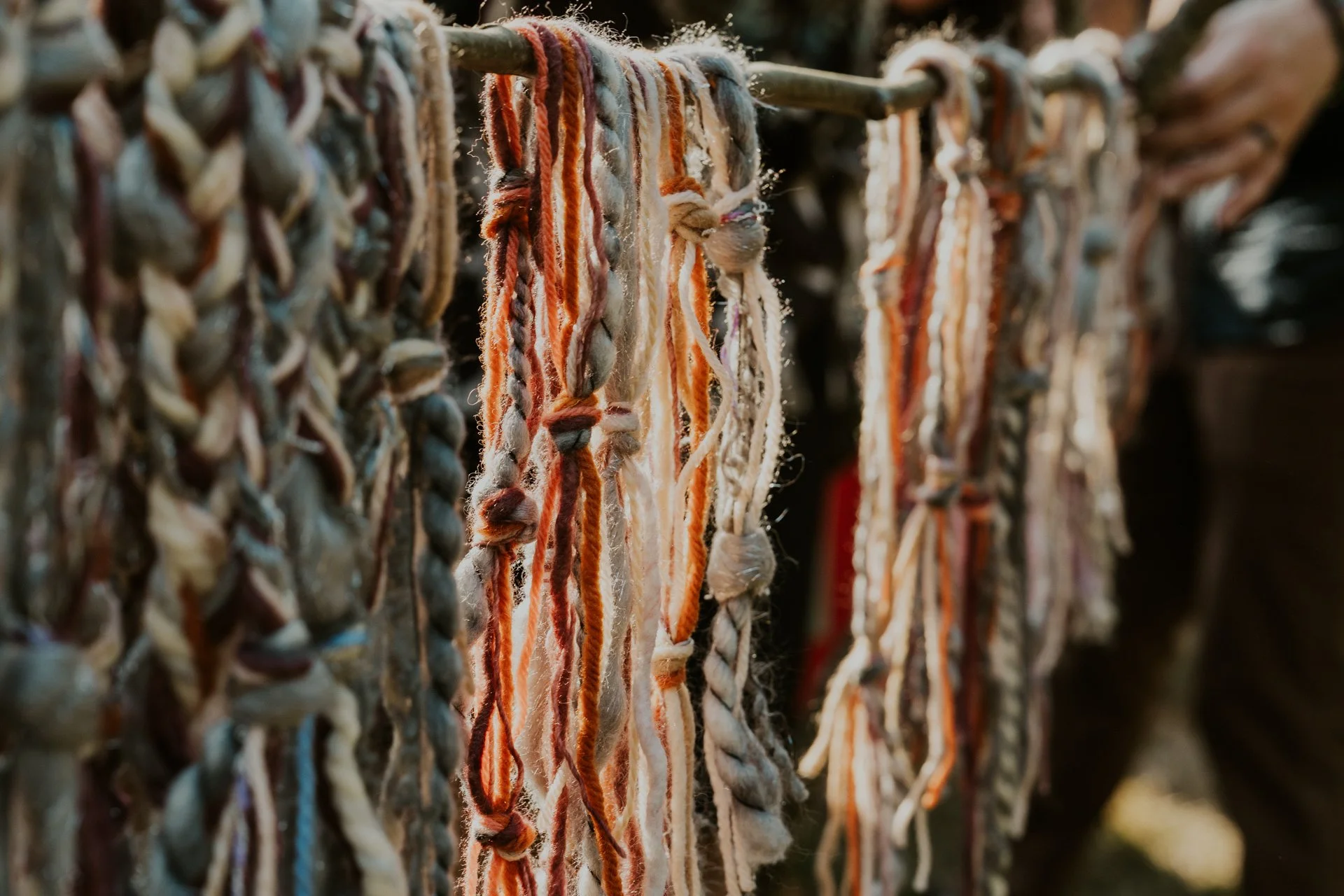
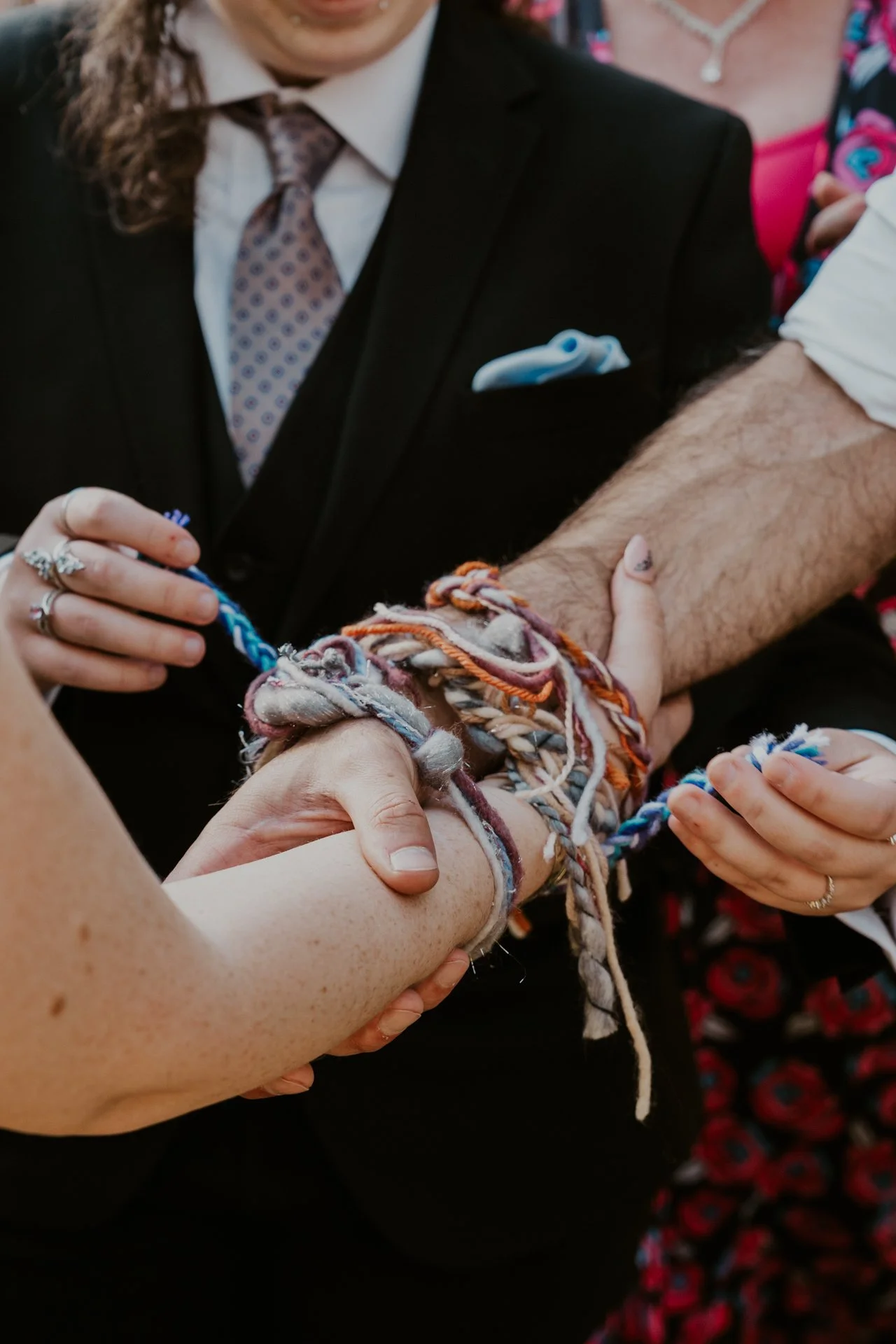
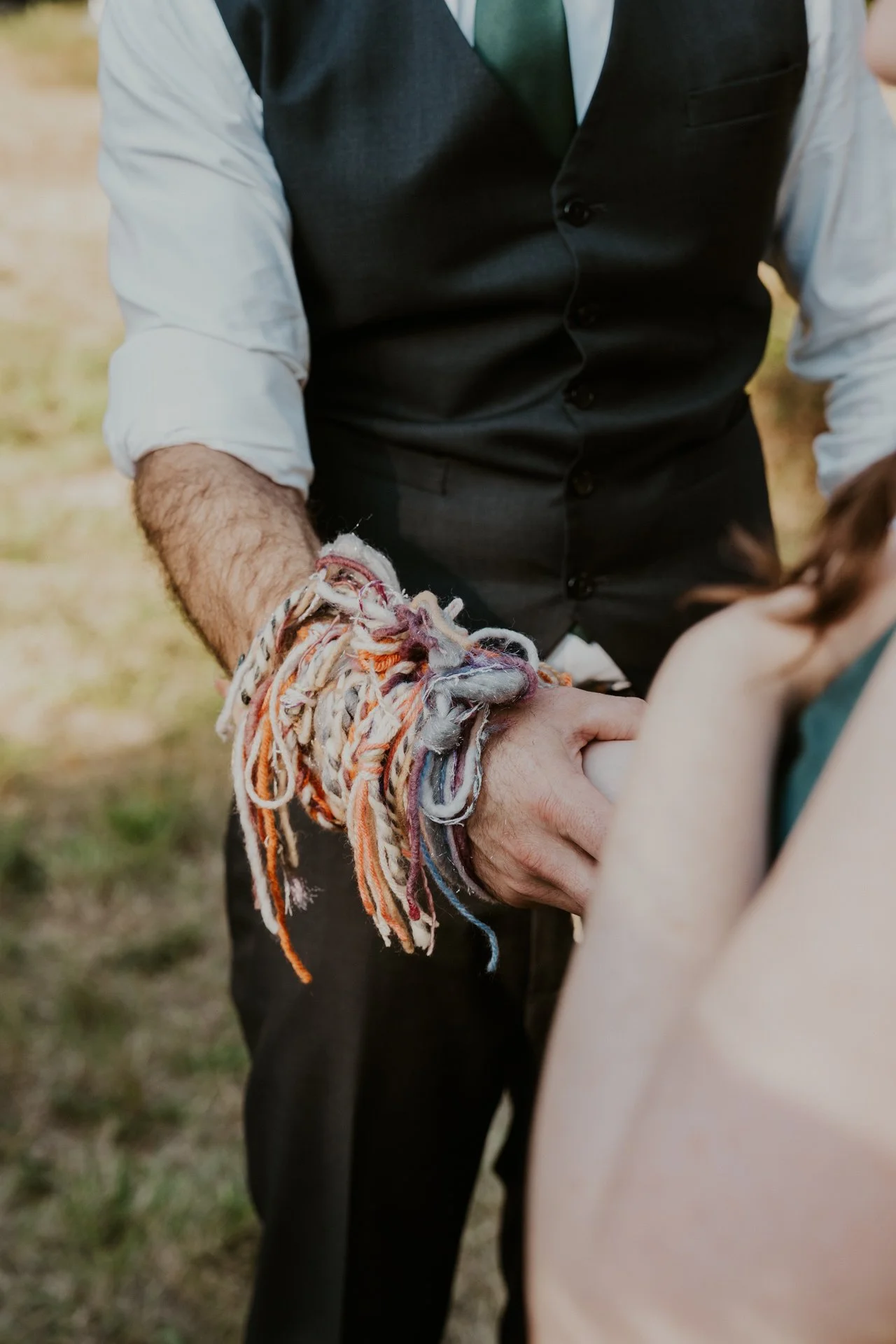
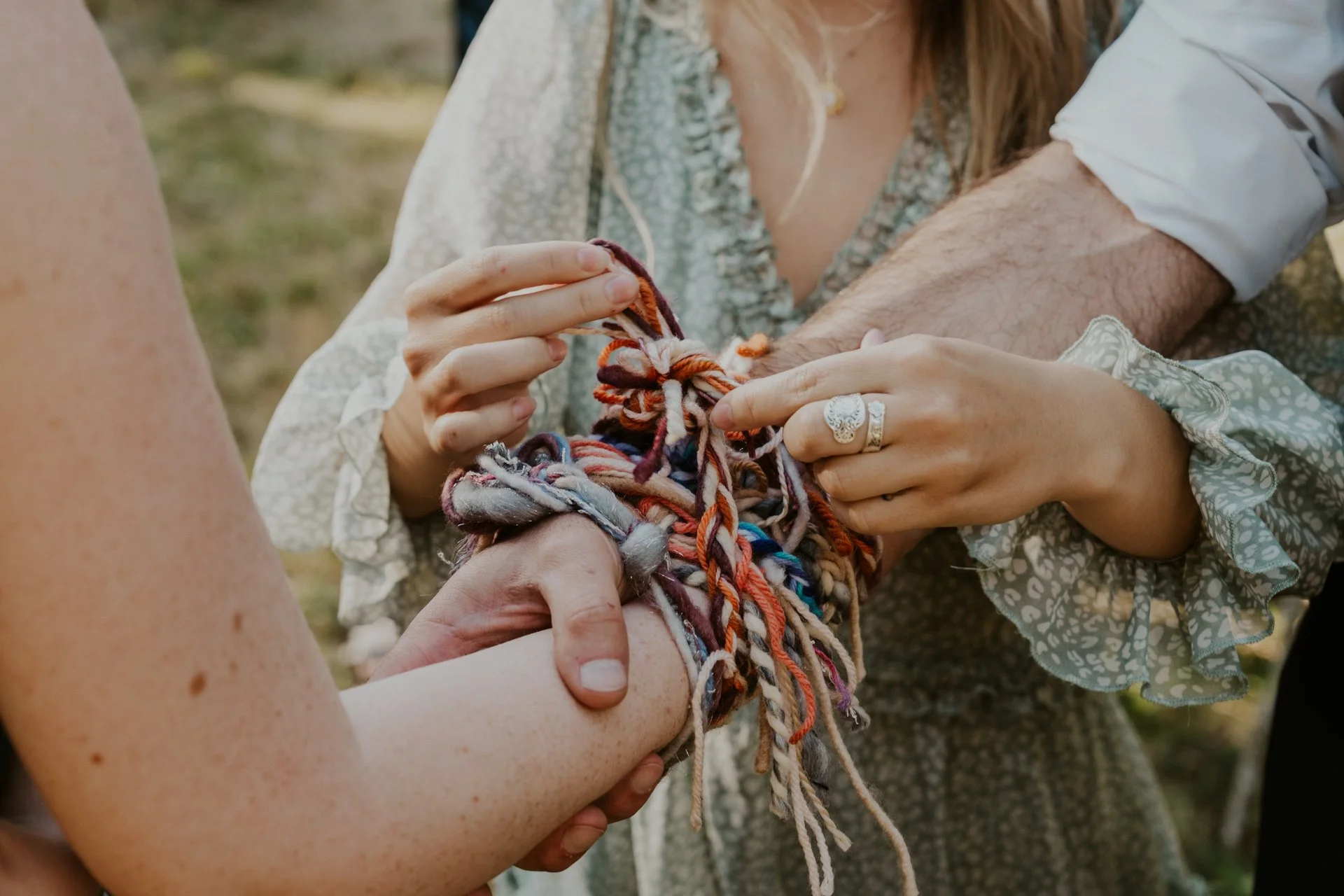
During a handfasting, the couple stands face to face and joins hands—sometimes one hand each, other times both hands. A cord, ribbon, or piece of fabric is then wrapped or draped around their hands, often by an officiant, a close friend, or family member.
As the hands are bound, vows are exchanged. Some couples choose traditional words from Celtic texts, while others write their own promises. The binding can be simple or elaborate, but the act of tying hands together makes for a deeply symbolic moment.
Modern Interpretations
Today, couples of all backgrounds are embracing handfasting for its flexibility and meaning. Here are a few ways to make it your own:
Choose materials that matter. Use heirloom fabric, pieces of clothing, or ribbons in your wedding colors.
Include your guests. Ask parents, friends, or siblings to each wrap part of the cord, symbolizing the community that supports your marriage.
Blend traditions. Combine handfasting with other rituals—like exchanging rings or sharing vows—to create a ceremony that feels fully yours.
Personalize your vows. You can recite ancient Celtic blessings or write completely modern promises.
Why Couples Love Handfasting
Handfasting is more than a beautiful photo opportunity (though it definitely is that, too!). Couples are drawn to it because:
It emphasizes connection and physical symbolism.
It honors an ancient tradition while still feeling modern.
It can be adapted to any kind of ceremony, from elopements in the mountains to traditional weddings.
It brings a layer of ritual and storytelling that makes the day feel more intentional.
Final Thoughts
A handfasting ceremony is a stunning way to honor tradition while creating something deeply personal. Whether you’re drawn to its Celtic roots, its symbolic power, or simply the beauty of the ritual, “tying the knot” is a timeless reminder that love is about weaving two lives together.
✨ If you’re dreaming of adding handfasting into your wedding or elopement, I’d love to help capture those meaningful details in a way that feels authentic to you. Reach out here to start planning your day.
